
What is Beto-Bot? Beto-Bot is a custom Multi-Agent Orchestrator built using Java and Spring Boot. Its primary mission is to connect Large Language Models (LLMs), like Gemini, to external tools and environments—specifically GitHub—using the Model Context Protocol (MCP).
In simpler terms, it’s a system that doesn't just "chat" about code; it actually interacts with it. By monitoring project boards and repositories, Beto-Bot can identify tasks, analyze requirements, and implement code changes autonomously.
Why Build This in Java? While many AI frameworks are Python-centric, Beto-Bot is built for the enterprise-grade stability of the Java ecosystem. Leveraging Java 21’s Virtual Threads, the bot can handle multiple complex reasoning loops simultaneously without blocking the main application, making it both lightweight and highly scalable.
How It Works (The TL;DR) The bot operates through a Reason + Act loop ( commonly known as a ReAct loop ):
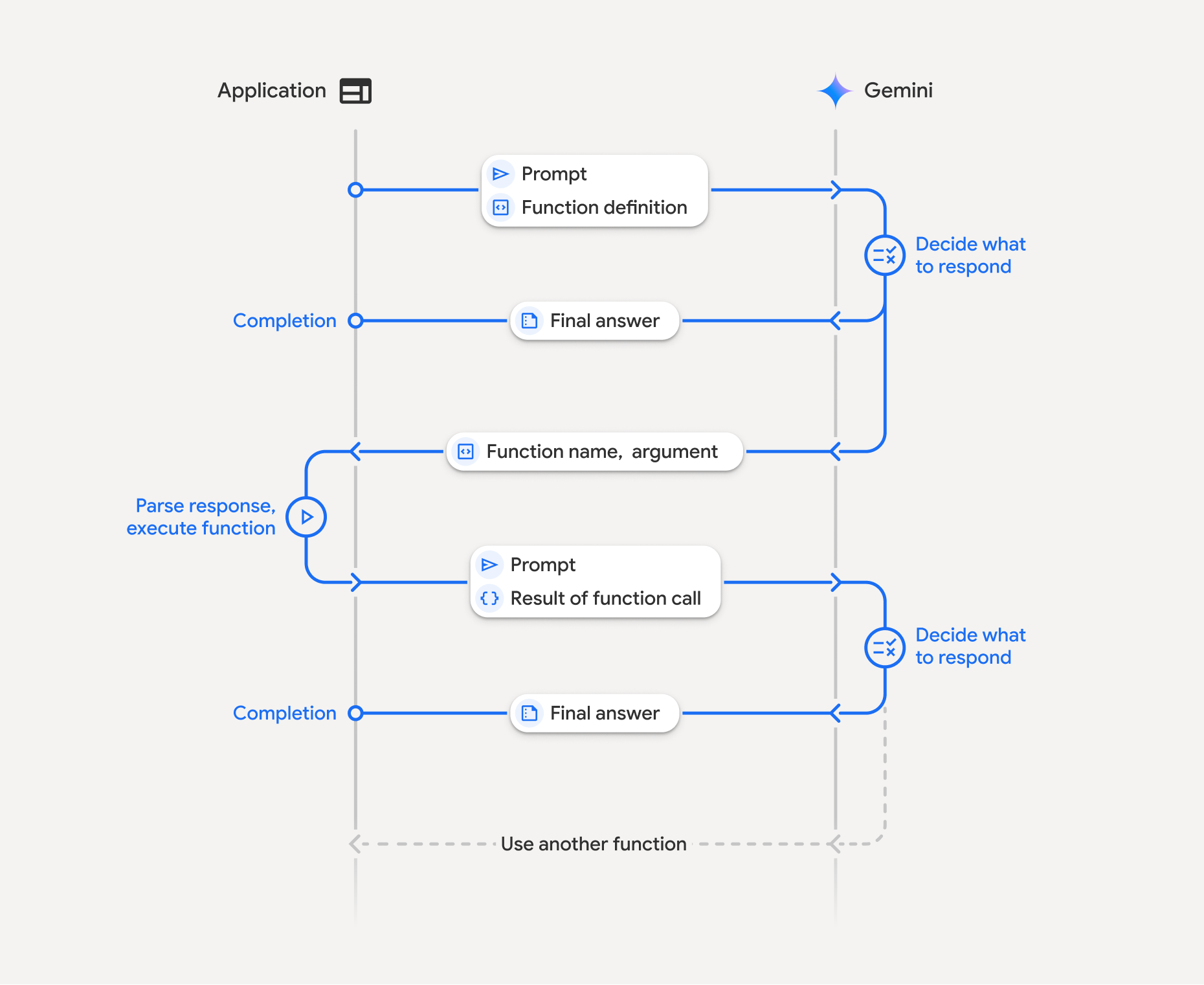 ReAct Loop
The Fetcher: Scans your GitHub Projects for new work on a scheduled time.
The Orchestrator: Receives the task and hands it to a specialized agent.
The Agents: Using MCP as a "toolbox," the agents (Coder or Analyst) use GitHub tools to read files, create branches, and push code.
The Result: Depending on the agent, either a finished analysis or a pull request waiting for your review.
The Journey So Far This project has evolved from a simple bridge into a sophisticated multi-agent team. Over the coming weeks, I’ll be sharing technical deep dives into how we handled SSE-to-STDIO translation, the switch to Gemini 3.1, and our custom GraphQL integration for GitHub Projects.
Stay tuned as we explore the future of autonomous Java development!